
Flavour development is the process of building a BBQ sauce taste that feels complete rather than loud, where sweetness, acidity, savouriness, spice, and smoke each play a clear role. In a good sauce, no single note shouts over the others; instead, the flavour unfolds in stages, which is why many brands invest heavily in how their BBQ sauce profiles come together from the first ingredient to the final finish.
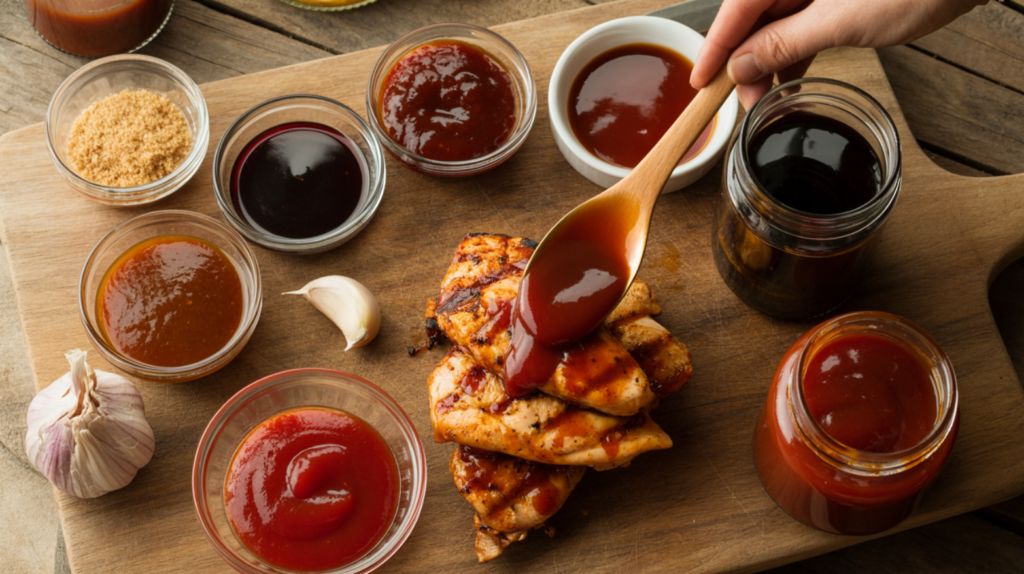
Once you understand how flavours are built, labels start to make more sense, and you can predict what a sauce will taste like before you even open the bottle.
1. The Flavour “Spine” That Holds a Sauce Together
Every BBQ sauce needs a backbone, a stable base that carries everything else. Most sauces rely on tomatoes for body and natural savouriness, then use sweeteners and acids to create a push–pull effect that keeps the sauce from feeling either harsh or sticky.
This balance isn’t accidental. It is designed so the sauce feels lively on the tongue while still leaving a comforting warmth behind.
2. Sweetness: More Than Just “Sugar”
Sweetness in BBQ sauce is not only about intensity; it’s about shape and texture. Cane sugar gives a clean sweetness, while molasses contributes a darker, caramel-like warmth that sits deeper on the palate.
When a sauce tastes “rounded”, it is often because sweetness has been layered rather than dumped in. In contrast, sauces that lean too heavily on syrups can feel sharp and one-dimensional, especially once heat hits the pan and the sauce begins to thicken.
3. Acidity: The Bright Line That Keeps It Fresh
Acidity acts like a reset button. It lifts heavy flavours, sharpens aroma, and prevents sweetness from becoming cloying. Vinegar is the most common source, but the type of vinegar matters because each one brings its own personality, apple cider vinegar can taste softer and fruitier, while distilled vinegar can feel more direct.
Acidity also affects stability over time, since the conditions that protect flavour and freshness after opening are closely tied to how the sauce is formulated.
4. Savoury Notes: The Quiet Engine of “Depth”
Savoury flavour is what makes a sauce feel satisfying rather than sugary. Tomato paste contributes natural umami, while ingredients like onion and garlic add body and warmth that builds slowly.
Some brands create extra depth through smoke flavours or slow-cooked spice blends, which can make the sauce feel richer even when sweetness is moderate. When savoury notes are done well, the sauce tastes fuller without needing more sugar.
5. Heat and Spice: How Brands Control the “Edge”
Spice is not only about heat. Paprika, black pepper, mustard, chilli powders, and herbs create aroma and complexity, and brands often tune these levels to match a specific style.
A sauce can feel bold without being hot if the spices are aromatic and well blended. On the other hand, adding heat without structure often leads to a sharp burn that masks flavour instead of supporting it.
6. Smoke and Caramel: The Two Flavours That Feel Like Barbecue
Smoke is one of the most emotionally recognisable notes in BBQ sauce. It can come from smoked paprika, natural smoke flavour, or specific ingredients that mimic smoky richness. Caramel notes usually develop from sugar compounds transforming under heat, which is why some sauces become sweeter and darker when cooked on meat.
If you’ve ever noticed a sauce tasting different after grilling, it’s because the way it behaves changes once it meets heat, fat, and moisture.
7. Why Some Sauces Taste “Flat”
A sauce often tastes flat when one element is missing. Too much sweetness with weak acidity can feel sticky. Too much vinegar without enough body can feel thin. Too much smoke without freshness can feel heavy.
Brands that create memorable sauces tend to build in small contrasts, a little tang against sweetness, a little warmth under smoke, a little savoury depth beneath the surface. Those contrasts make the sauce feel alive.
Conclusion – How to Recognise Real Flavour Craft
BBQ sauce flavour development is the craft of building balance, not just adding ingredients. When sweetness feels layered, acidity feels clean, savoury notes feel steady, and spice feels purposeful, the sauce tastes complete and satisfying.
The next time you compare bottles, look for the signals of intentional formulation, because the best sauces don’t rely on one strong note, they rely on a carefully built harmony that stays enjoyable from the first bite to the last.