
A gluten-free BBQ sauce is a BBQ sauce made without wheat, barley, rye, or ingredients derived from them, so it can be enjoyed by people avoiding gluten for health or comfort. Because BBQ sauce is a blended product with many inputs, gluten-free choices come down to two things: what goes into the recipe, and how carefully the manufacturer controls cross-contact during production.
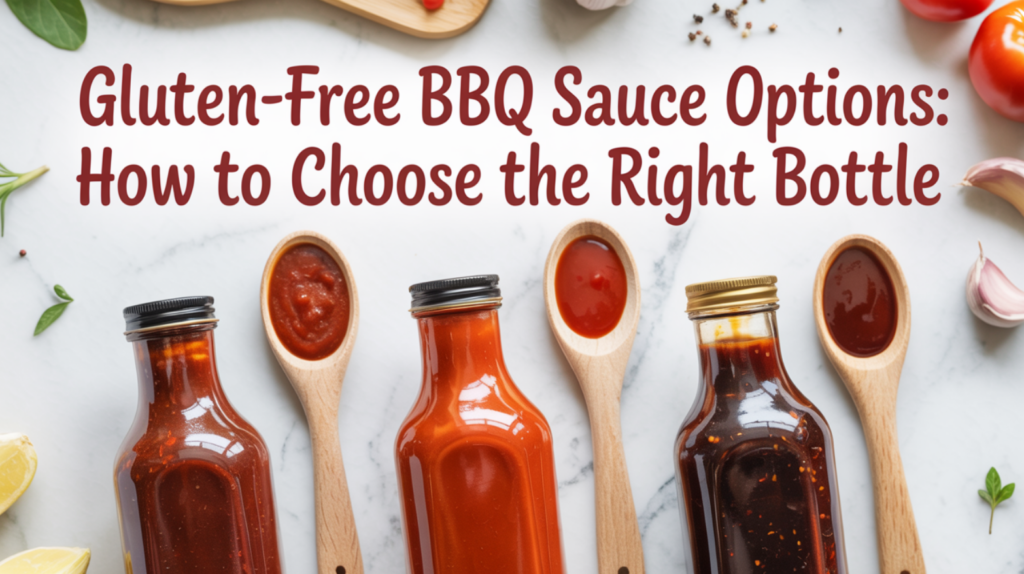
This matters even more when you’re trying to enjoy BBQ sauce in the same familiar way that the sauce category is used across meals.
1) Where gluten can quietly sneak into BBQ sauce
BBQ sauce looks simple, but manufacturers often use small additions that change flavour, thickness, and colour. Those additions are exactly where gluten can hide.
Common gluten risks include:
- Malt vinegar or barley malt: sometimes used for tang or colour.
- Soy sauce: many soy sauces contain wheat (some brands use wheat for fermentation).
- Thickeners and stabilisers: most are fine, but the source matters, and blends can vary by brand.
- Flavourings and seasoning blends: “smoke flavour”, spice mixes, or seasoning powders can be processed in shared facilities.
If you already understand how sauces are built from multiple inputs, it becomes easier to spot risk in the ingredients that shape the final bottle.
2) The simplest label-check that saves time
Instead of searching for fancy marketing words, focus on two practical checks:
First: look for a clear “gluten-free” claim where you can see it quickly.
That claim doesn’t guarantee perfection on its own, but it’s a strong first filter.
Second: scan the allergen emphasis on the ingredients list. In the UK, allergens must be declared, so wheat and other gluten-containing cereals should stand out clearly. When a product is genuinely designed for gluten-free shoppers, the label usually reads with calm clarity rather than vague reassurance.
This approach feels less stressful because you’re not “studying” the label, you’re simply confirming whether the product fits your needs.
3) Cross-contact: the part many people forget
Even when the ingredient list looks safe, cross-contact can still happen if a factory handles gluten-containing products on the same equipment.
That doesn’t mean you need to panic. It just means you should treat “may contain” style warnings as meaningful signals if you are highly sensitive to gluten. For many people avoiding gluten casually, this may not be a deal-breaker, but for coeliac disease it can matter a great deal.
A brand that takes gluten-free seriously usually has consistent messaging across its products, which is one reason the brands people see in the market often become trusted choices over time.
4) Ingredients that are usually safe (and why they’re used)
A lot of BBQ sauce ingredients are naturally gluten-free and are included for very normal reasons:
- Tomato paste and tomato purée add body and savouriness.
- Sugar, molasses, honey, and fruit concentrates add warmth and roundness.
- Vinegar and citrus acids add brightness and balance.
- Spices, garlic, onion, and mustard add aroma and depth.
The key idea is simple: a sauce can be richly flavoured without any gluten at all, as long as the manufacturer doesn’t lean on barley-based ingredients or wheat-containing soy sauce.
5) What “good gluten-free BBQ sauce” tastes like
A good gluten-free BBQ sauce should not taste like a compromise. It should still deliver the familiar comfort people want from BBQ sauce: a gentle sweetness, a lively tang, and a satisfying savoury finish.
In fact, many gluten-free sauces taste cleaner because the flavour is carried by straightforward ingredients rather than heavy fillers. The result can feel lighter on the palate while still being deeply enjoyable, which is exactly what you want when BBQ sauce is meant to make a meal feel exciting.
Conclusion – a confident way to choose
Gluten-free BBQ sauce is not a special novelty product; it is simply BBQ sauce made with gluten-free ingredients and handled with appropriate care. When you check for clear gluten-free labelling, watch for common hidden sources like malt or wheat-based soy sauce, and consider cross-contact warnings where sensitivity is high, you can choose confidently without overthinking it. Done properly, gluten-free BBQ sauce still delivers the same warm, smoky satisfaction that makes BBQ sauce feel like the heart of the plate.