
BBQ sauce began as a practical way to season and preserve cooked meat, but it gradually became a distinct product category with its own flavour rules and regional identities. Today, BBQ sauce sits alongside other everyday condiments, yet it still carries the story of smoke, fire, sweetness, and sharpness coming together in a single bottle, the same balance that defines what most people now recognise as “barbecue flavour”.
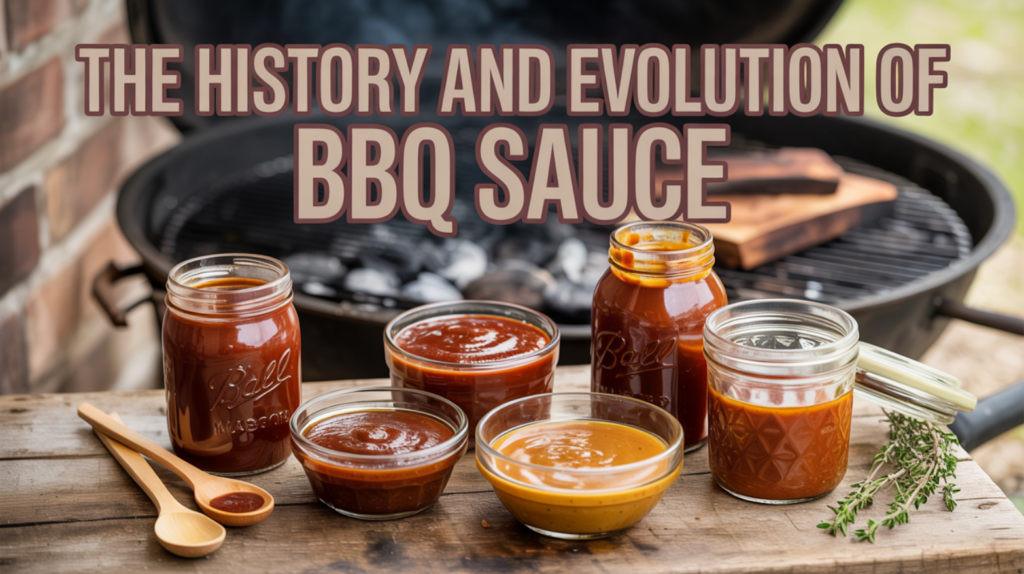
What changed over time was not the desire for bold taste, but the ingredients, techniques, and markets that shaped how BBQ sauce is made and sold.
1. Before Bottles: Sauces Built for Smoke and Survival
Long before supermarket shelves, early barbecue cooking relied on smoke, salt, fat, and acid to improve flavour and keep food enjoyable. In many places, a sauce was not a fixed recipe but a flexible mixture-vinegar for sharpness, spices for warmth, and sweet elements when they were available.
As trade increased and pantry staples became more common, sauces grew richer and more consistent. The shift was subtle at first: thicker textures, deeper colour, and sweeter finishes that clung to meat rather than running off.
2. The Big Turning Point: Sweetness Meets Tomato
A major evolution happened when tomato-based sauces became more widespread. Tomatoes offered body, colour, and savouriness, making sauces feel fuller and more comforting. Sweeteners such as molasses and brown sugar then added a rounded depth that created the “sticky glaze” experience many people now associate with barbecue.
This is where modern BBQ sauce starts to look familiar. Its flavour became less like a sharp dressing and more like a complete product with layered character, built from the core ingredients that shape thickness, aroma, and finish.
3. Regional Identities: One Name, Many Styles
As barbecue traditions spread, BBQ sauce became a marker of place and preference. Even when the label simply says “BBQ sauce,” many bottles still carry a regional personality in the background, more tangy, more smoky, more sweet, or more peppery.
Instead of thinking of BBQ sauce as one thing, it helps to see it as a family of styles that grew from local cooking habits, local ingredients, and local taste expectations.
A quick way to sense this evolution is to notice how brands describe themselves, some emphasise sweetness and richness, while others lean into vinegar bite or smoke depth, reflecting the range of products that now exist under the same umbrella name.
4. From Kitchen Craft to Mass Production
Once BBQ sauce became a bottled staple, manufacturing changed the category again. Consistency became a selling point. Instead of a sauce varying slightly each time it was made, brands learned to deliver the same flavour experience across millions of bottles.
That brought advantages, reliability, availability, and longer shelf life, but it also created a new split in the market:
- mainstream sauces designed for familiarity and stability
- premium sauces designed for complexity and distinctive character
This is why modern BBQ sauce shelves feel crowded: the category is no longer just “sauce,” but a competition between flavour profiles, ingredients, and brand identity.
5. BBQ Sauce as a Condiment, Not Just a Barbecue Tool
Another quiet evolution is how people use BBQ sauce today. It is no longer limited to outdoor grilling. Many households treat it like a flexible condiment that can live next to ketchup, mayo, and hot sauce, used for dipping, drizzling, or quick flavour fixes.
That’s also why comparisons have become natural in the modern pantry. In everyday meals, BBQ sauce often overlaps with other condiments, especially when people weigh sweetness and tang against the familiar flavour expectations of ketchup-like sauces.
Conclusion – What the Evolution Tells You About Quality
BBQ sauce is a product category shaped by history: smoke and preservation gave it purpose, tomatoes and sweeteners gave it comfort, and modern brands gave it consistency and variety. When you taste a bottle that feels balanced, sweet without being sticky, sharp without being harsh, smoky without tasting artificial, you’re experiencing the result of centuries of flavour evolution settling into something dependable and deeply satisfying.
In a calm, practical sense, BBQ sauce is still doing what it always did: bringing bold flavour to simple food, while adapting to the ingredients and preferences of each new era.