
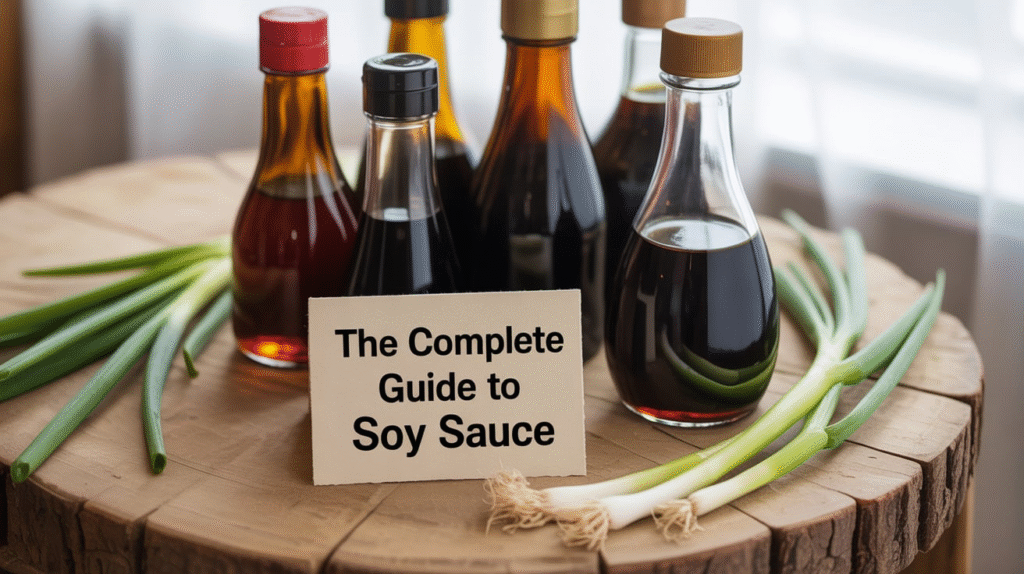
Soy sauce is one of the world’s oldest condiments, prized for its deep umami flavour and versatility in cooking. Originating in China over 2,000 years ago, it’s now a pantry staple in UK households for both Asian and non-Asian dishes. This guide covers everything from cooking uses and nutrition to different varieties and storage.
Soy Sauce Cooking & Dipping Uses
Soy sauce isn’t just for sushi, it’s a flavour enhancer across cuisines.
Here are some popular ways to use it:
- Stir-Fries & Noodles – Adds savoury depth to vegetables, meat, and seafood dishes.
- Marinades – Combine with garlic, ginger, and sesame oil for a rich, umami-based marinade.
- Dipping Sauce – Perfect for dumplings, spring rolls, and sashimi when mixed with vinegar or chilli oil.
- Soups & Stews – Enhances broth flavour in ramen, miso soup, or slow-cooked dishes.
Soy Sauce Health Benefits & Risks
While soy sauce offers flavour with minimal calories, it has pros and cons nutritionally.
- Calories – Roughly 10–15 kcal per tablespoon (15ml).
- Protein – Contains small amounts of plant-based protein.
- Sodium – High in salt (~800–1,000mg per tablespoon), which may be a concern for those on low-sodium diets.
- Antioxidants – Contains compounds like isoflavones that may have health benefits.
Tip: Low-sodium soy sauces are available, offering about 40% less salt.
Leading UK Soy Sauce Brands
Whether you want authentic Asian soy sauce or supermarket convenience, the UK offers many options.
- Kikkoman – Famous for naturally brewed, balanced flavour.
- Yamasa – Rich, full-bodied, favoured by chefs for Japanese dishes.
- Blue Dragon – Affordable, widely available in supermarkets.
- Clearspring – Organic options with traditional brewing methods.
Soy Sauce vs Tamari
Tamari is often confused with soy sauce, but there are differences.
- Soy Sauce – Brewed with soybeans and wheat, giving a balanced umami and slight sweetness.
- Tamari – Usually made without wheat, making it gluten-free and richer in soy flavour.
When to Choose: Use soy sauce for everyday cooking, tamari for gluten-free diets or when a deeper, less salty taste is preferred.
Homemade Soy Sauce Alternatives
Making traditional soy sauce at home is difficult, but you can create quick substitutes.
Simple Substitute Recipe:
- Mix beef or vegetable stock with balsamic vinegar, molasses, and a pinch of salt.
- Add garlic powder for depth.
- Use in recipes where soy sauce is unavailable.
Storage: Keep in the fridge for up to a week.
Light, Dark & Sweet Soy Varieties
Not all soy sauces taste the same – the type matters.
- Light Soy Sauce – Thinner, saltier, used mainly for seasoning and marinades.
- Dark Soy Sauce – Thicker, less salty, adds colour and richness to stews.
- Sweet Soy Sauce (Kecap Manis) – Indonesian style, syrupy with palm sugar for sweetness.
Soy Sauce Brewing Process Guide
Traditional soy sauce brewing is a slow, natural fermentation process.
- Ingredients – Soybeans, wheat, salt, and a fermentation culture (koji).
- Fermentation – Mixture ferments for months to develop complex flavour.
- Pressing & Pasteurisation – Liquid is extracted, filtered, and heat-treated for preservation.
Soy Sauce Sodium & Nutrition Facts
Knowing the nutritional breakdown helps with portion control.
- Standard Soy Sauce – 800–1,000mg sodium per tablespoon.
- Low-Sodium Soy Sauce – Around 500–600mg sodium per tablespoon.
- Calories – Minimal, making it a flavour enhancer without adding significant energy.
Soy Sauce Storage & Shelf Life
Proper storage keeps flavour fresh and prevents spoilage.
- Unopened – Store in a cool, dark cupboard for up to two years.
- Opened – Refrigerate to preserve flavour and colour; best used within six months.
Buying Authentic Soy Sauce in the UK
Look for quality indicators when choosing a bottle.
- Naturally Brewed – Indicates traditional fermentation, not chemical production.
- Ingredient List – Avoid products with artificial colouring or flavour enhancers.
- Country of Origin – Japanese, Chinese, and Korean soy sauces each have unique profiles.
FAQs about Soy Sauce
Here are some questions and answers about soy sauce.
Is soy sauce gluten-free?
Most soy sauces contain wheat, but tamari and specially labelled gluten-free soy sauces are available.
Can soy sauce be used in non-Asian recipes?
Yes – it enhances gravies, marinades, salad dressings, and even chocolate-based sauces.
Does soy sauce expire?
Unopened soy sauce lasts up to two years; once opened, it’s best consumed within six months for peak flavour.